Food Hygiene


 Free & Instant CPD Certificate on Completion

 Fire Safety

No products in the basket.


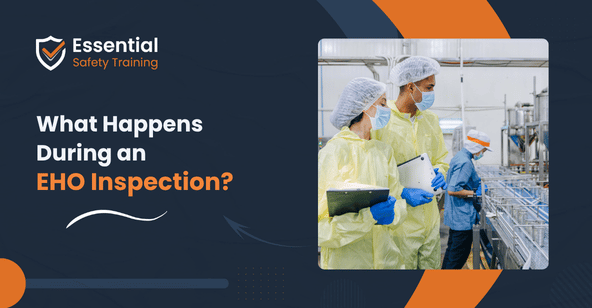
An unannounced Environmental Health Officer (EHO) visit can expose problems you never noticed. One missed temperature check, contamination risk, or pest issue may trigger enforcement action. In serious cases, unsafe conditions can even result in immediate restrictions or closure.
So, what happens during an EHO inspection? During an EHO inspection in a food business, an Environmental Health Officer checks your premises, food safety practices, hygiene standards, equipment, storage, staff procedures and records. They may ask questions, observe working practices and identify hazards.
Afterwards, they provide feedback, explain required improvements and may take enforcement action if serious breaches are found.
The further guide can help you understand the process, making every EHO visit easier to manage in your business journey.
What is an EHO inspection?
An EHO inspection is an on-site check of your food business. It looks at whether you meet food safety and hygiene requirements.
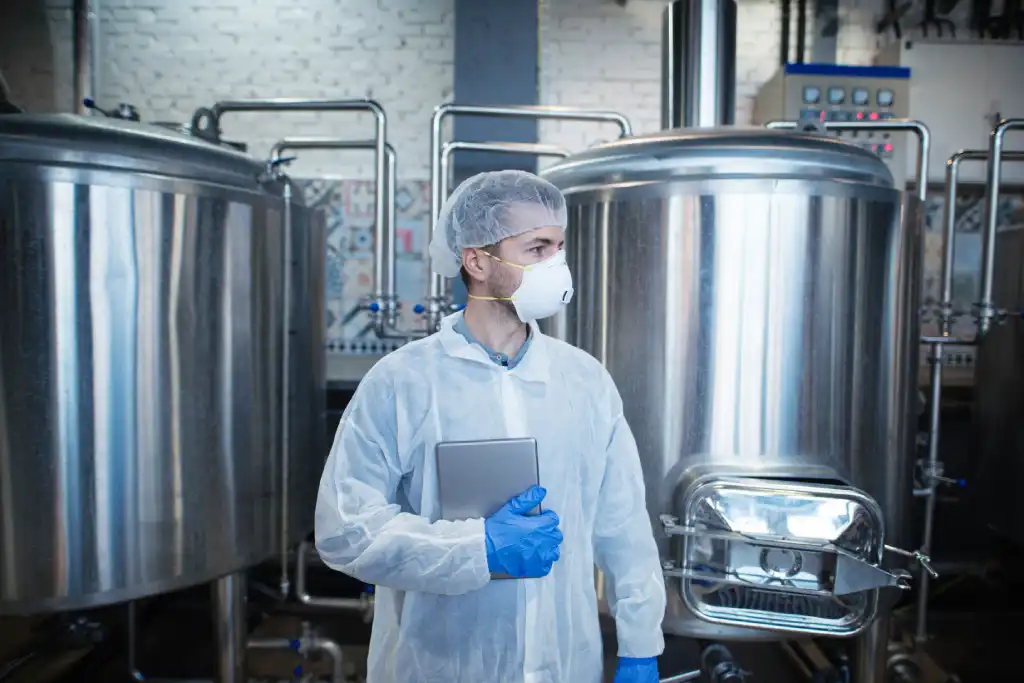
The officer checks how you prepare, handle, store, and serve food. They also inspect cleanliness, equipment, premises, and staff hygiene and your food safety management system.
These inspections form part of the official food control system. The Food Standards Agency (FSA) sets food safety policy and guidance while local authorities carry out inspections in line with relevant requirements.
Inspection findings can contribute to your food hygiene rating. Where problems exist, the officer may provide advice or take enforcement action.
Who can carry out a food hygiene inspection?
Your local authority is responsible for many food hygiene inspections. An Environmental Health Officer (EHO) or another suitably qualified and authorised food safety officer may carry out the visit.
These authorised officers work within the wider food regulatory system. The Food Standards Agency (FSA) oversees this system in England, Wales and Northern Ireland, while Food Standards Scotland performs the equivalent national role in Scotland.
An authorised officer should carry official identification, which you can ask to see. They can inspect relevant areas, records, and food safety procedures.
Food Manufacturing Hygiene Essentials Bundle
Gain essential hygiene knowledge on food manufacturing and safety standards with our Food Manufacturing Courses UK bundle
Enrol Now
When can an EHO visit your food business?
An EHO can generally visit at reasonable times, usually during normal operating hours. Most inspections are unannounced, allowing officers to observe genuine daily practices.
However, exceptions apply. For home-based food businesses, specific legal entry requirements may require 24 hours’ notice before entering premises used as a private dwelling.
An appointment may also be arranged for a new business or particular business circumstances. Higher-risk or low-scoring businesses are more likely to receive unannounced visits.
How Often Do EHO Inspections Take Place?
How often you receive an EHO inspection depends on risk. Your food type, production volume, and compliance history also matter.
As a general guide:
- Category A businesses (high-risk): at least every six months.
- Category B/C businesses (moderate-risk): every 12–18 months.
- Category D/E businesses (low-risk): every two to three years.
Extra visits can also happen outside routine inspection schedules. Customer complaints or suspected food poisoning may trigger an inspection. Food safety alerts or previously identified problems can also prompt visits.
What powers does an EHO have?
Environmental Health Officers have significant legal powers to protect public health. These powers allow them to investigate potential food safety breaches. They can also take enforcement action when hygiene standards fall short.
Right of entry
An authorised EHO can enter food premises at reasonable times. This usually includes your normal business operating hours. In most cases, they do not need an appointment beforehand.
Collection of evidence
During an EHO inspection, officers can gather different forms of evidence. They may take food samples, surface swabs, photographs, or videos. They can also inspect, seize, or detain relevant business records.
Seizure and detention of food
If food appears contaminated or unfit, officers can detain it. They can also seize food they believe is unsafe. Seized food may later be destroyed following the relevant legal process.
Hygiene improvement notice
A Hygiene Improvement Notice requires specific legal breaches to be corrected. The notice will provide a set timeframe for those improvements.
Hygiene emergency prohibition notice
A Hygiene Emergency Prohibition Notice addresses an imminent health risk. It can immediately stop particular equipment or processes being used. In serious situations, the entire food business can be closed.
Personnel restrictions
An officer may also restrict individuals from handling food. This can apply where someone has a food-borne infectious disease.
Prosecution
Serious or repeated breaches can lead to prosecution proceedings. Possible consequences include substantial fines, imprisonment, or business operation restrictions.
Level 3 Food Hygiene and Safety
Gain expert knowledge with Level 3 Food Hygiene and Safety to ensure compliance and protect public health
Enrol Now
What happens during an EHO inspection?
Knowing what happens during an EHO inspection helps you prepare properly. The inspector looks at how food safety works every day. They assess food handling, premises, and your food safety management system.
1. The officer arrives and identifies themselves
The officer should show official identification when requested and explain why they are visiting. They may ask questions about your food preparation activities and everyday food safety procedures.
2. They observe food being handled
The inspector will watch staff during normal food preparation. They will check personal hygiene and proper handwashing practices. Cooking, cooling, reheating, and temperature control may be checked closely.
3. They Inspect Your Premises and Equipment
Next, the inspector will examine your food premises thoroughly. They will look closely at general cleanliness and maintenance. The officer may inspect ventilation, lighting, drainage, and cleaning facilities.
Pest control and waste management arrangements will also receive attention. Signs of a pest infestation can raise immediate concerns.
4. They Check Temperatures and May Take Samples
An EHO may use a suitable thermometer to probe food. They may also check chilled and frozen food storage.
The inspector can collect food samples or environmental swabs. Photographs and other evidence may also be gathered when appropriate.
5. They Review Your Food Safety Management System
Your food safety management system should match everyday working practices. Your HACCP plan should identify hazards and appropriate controls.
The inspector may examine temperature logs and cleaning schedules. They may also review records showing completed corrective action. Filling paperwork immediately before inspection can raise concerns
6. They Check Allergen Management
Correct allergen information plays an essential role in customer safety. Inspectors may assess knowledge of the 14 regulated allergens. They will also consider how you prevent allergen cross-contact.
7. They Check Traceability and Supplier Controls
Your business must follow applicable food traceability requirements. The inspector may request supplier invoices and delivery information. They can also check stock rotation and date controls.
8. They Speak to Staff
An inspector may ask staff about their responsibilities. Employees should understand hygiene, allergen controls, temperature monitoring and illness reporting procedures.
Good documentation alone is not enough. Staff should demonstrate competent behaviour during normal operations.
What happens if an EHO finds a problem?
Finding a problem does not mean your business automatically closes. The EHO considers the issue’s severity and potential public health risk. Minor problems may lead to informal advice and required improvements.
More significant breaches can trigger a Hygiene Improvement Notice. This explains what legal requirements you must correct and when. An imminent health risk may require emergency prohibition action. Unsafe food can also be detained or seized.
Serious or repeated breaches may result in prosecution. Possible consequences include fines, imprisonment, or restrictions on business operations.
What happens at the end of an EHO inspection?
You’ll usually receive verbal feedback after the EHO inspection. The officer will explain any hazards and improvements they identified. They should clearly separate legal requirements from good-practice recommendations.
The findings contribute to your 0–5 food hygiene rating. However, the officer may review further evidence before confirming it.
You should then receive written confirmation of the findings and rating. This will include required corrective actions and relevant deadlines. Depending on your circumstances, you may appeal or submit a right of reply. You may also be able to request a revisit.
How is your food hygiene rating decided?
Your EHO assesses three core areas during the food hygiene inspection.
Ratings range from 0 to 5. A 5 means hygiene standards are very good. A 0 means urgent improvement is necessary.
Improve your Food Hygiene Rating
Raise your hygiene standards and secure a 5-star rating with the CPD-accredited course
Enrol Now
Hygienic Food Handling
The EHO checks how safely your team handles food. This covers cooking, reheating, cooling, storage, and temperature control. They also assess cross-contamination prevention and your allergen management procedures.
Physical Condition of the Premises
The officer checks the overall condition of your premises. This includes equipment, cleanliness, layout, maintenance, lighting, and ventilation. They will also assess your pest control facilities.
Confidence in Management
The EHO looks at how consistently you manage food safety. They review your food safety management system and HACCP principles. Temperature logs, cleaning schedules, staff training, and competence are also assessed.
Food hygiene ratings range from 0 to 5. A rating of 5 means hygiene standards are very good. A rating of 0 means urgent improvement is necessary.
How to prepare for an EHO inspection
Most EHO inspections are unannounced. So, maintain strong food safety standards every day. Focus on hygiene, premises, records, allergens, and staff competence.
Food Hygiene and Handling
Store food safely and monitor temperatures with calibrated thermometers. Prevent cross-contamination and separate raw and ready-to-eat foods. Maintain effective date controls and stock rotation.
Cleaning, Equipment and Premises
Keep your premises, equipment, and exterior clean and maintained. Follow cleaning schedules and manage waste correctly. Provide hot water, soap, and paper towels at handwashing sinks. Maintain effective pest control and contractor records.
Food Safety Documentation
Maintain a current HACCP-based Food Safety Management System. Keep temperature logs, cleaning schedules, supplier records, and traceability information. Avoid gaps, overwritten entries, or correction fluid. Digital records can simplify this process.
Allergen Controls
Keep information for the 14 major allergens accurate. Prevent allergen cross-contact during food preparation. Staff should confidently explain your allergen procedures.
Staff Training and Competence
Ensure staff training in the restaurant to understand relevant food safety procedures. Keep training records, including Level 2 Food Hygiene where applicable. Provide suitable allergen training and regular refreshers.
During the EHO visit, verify the officer’s identification. Be professional, transparent, and cooperative. Never hide problems or panic-fill missing records. Listen to feedback and request written details of required improvements.
How to stay ready for an EHO visit every day
Treat food safety as an everyday responsibility. Include hygiene checks within opening and closing procedures. Managers should regularly inspect operations themselves. Review your risk assessment and HACCP controls after significant changes.

Maintain records when checks actually occur. Correct problems promptly rather than awaiting an inspector. Keep staff training current and monitor practical competence. Eligible businesses can also explore Primary Authority arrangements.
EHO Inspection Checklist
Before an EHO visit, check that:
- Handwashing facilities are stocked and accessible.
- Food storage remains safe and organised.
- Temperatures are monitored correctly.
- Cross-contamination controls remain effective.
- Cleaning and disinfection procedures are completed.
- Equipment remains clean and maintained.
- Pest control systems remain effective.
- Waste is stored and removed correctly.
- Allergen information remains accurate.
- HACCP and food safety procedures remain current.
- Traceability information is readily accessible.
- Staff understand their food safety responsibilities.
- Identified corrective actions are completed.
FAQs
What are common EHO inspection red flags?
Common red flags include poor handwashing, unsafe temperatures, cross-contamination risks, dirty equipment, pest activity, incorrect allergen information, poorly maintained premises, unreliable records, weak staff knowledge and unresolved food safety problems. These issues can reduce an officer’s confidence in management.
What should you expect from an EHO?
An EHO should behave professionally, clearly explain significant findings and distinguish legal requirements from recommended good practice. Following the inspection, businesses should receive appropriate feedback and guidance on achieving compliance. EHOs combine their enforcement responsibilities with their role in providing public health guidance.
What should you do with a legal notice?
Read the notice carefully, check every deadline and understand the improvements required. Keep clear records of completed actions and stay in contact with the issuing local authority. Check any appeal rights, seek specialist legal advice if necessary and never ignore a statutory notice.
What happens after a low hygiene rating?
A low hygiene rating can lead to closer monitoring, follow-up inspections and more frequent unannounced visits. Serious breaches may result in a Hygiene Improvement Notice, emergency prohibition action or prosecution. Low ratings can also affect customer trust and business reputation.
Can you refuse entry to an EHO?
Generally, you cannot refuse lawful entry to an authorised EHO. Deliberately obstructing an officer may be a criminal offence, potentially resulting in prosecution and a fine. If entry is refused, the officer may seek a warrant authorising entry using reasonable force. Different notice requirements apply to certain home-based food businesses. If concerned, ask for identification but do not obstruct a lawful inspection.
When might you receive notice?
Although unannounced inspections are common, some exceptions apply. Home-based food businesses may require 24 hours’ notice before an officer enters premises used as a private dwelling, where the relevant statutory power requires it.
Conclusion
A successful EHO inspection starts with everyday food safety. Keep your premises clean, records current, and staff properly trained. Consistent hygiene practices also help protect customers and your business.
So, what happens during an EHO inspection? The officer checks food handling, premises, records, allergens, and staff competence. They identify risks, assess compliance, and determine whether improvements are needed.
Regular training helps your team maintain strong hygiene standards. Essential Safety Training provides online food safety training for workplace compliance. This helps staff stay confident, competent, and ready for inspections.
Essential Safety Training

At Essential Safety Training, we deliver a blend of online courses on safety and compliance. As a top-notch award-winning platform in the UK, we value learners and keep our commitment by creating more accessible, expertly crafted courses.